Rutgers University’s Livingston College
An experimental college for social change
A case study of Rutgers University’s Livingston College, an experimental college in the 70s dedicated to addressing local educational inequities and urban displacement both on campus and in the city of New Brunswick, New Jersey.
View full project (pdf) ↗︎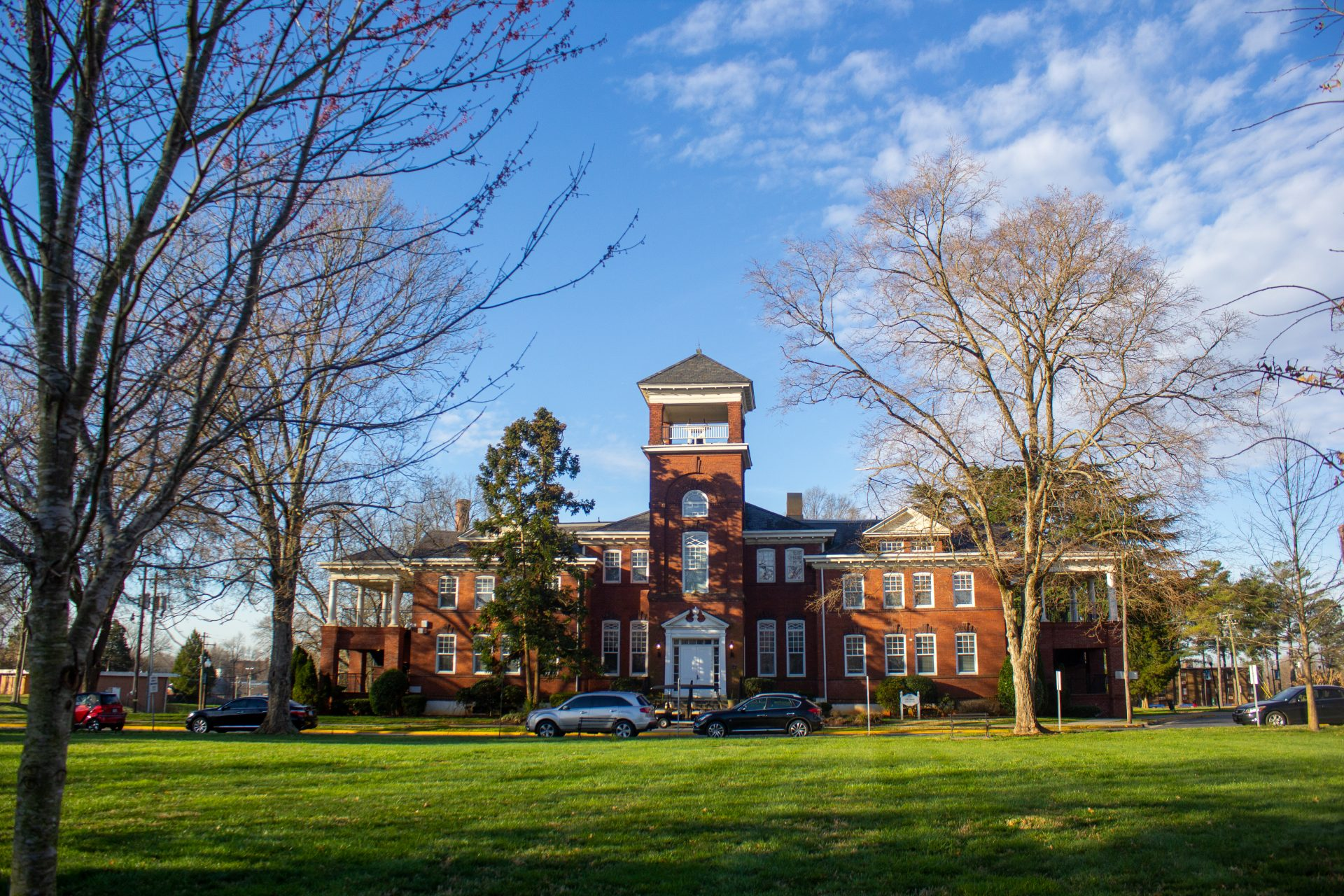
Overview
Focus Area
Place-Based Education
Skills
Research
Design Thinking
The Context: Systemic Racism
It’s 1967, at the peak of the civil rights movement, and Martin Luther King Jr. is assassinated. A wave of protests erupt across the country, in the streets, around city halls, on university campuses. Change is demanded to address the racism that kept Black and brown people from educational and employment opportunities.
At Rutgers University, students occupy a major building at Conklin Hall, demanding change. The university responds with a suite of policies which would later be described as affirmative action.
As part of their initiatives for racial equality, Livingston College is founded as an experimental college for social change, with the bold mission of addressing the societal injustices plaguing the US and their local manifestations in New Brunswick, New Jersey.
Educators, administrators, and students come together to answer this question: how do we build a college that addresses structural racism in the education system and urban planning of New Brunswick, New Jersey?
Affirmative Action & Engaged Public Scholarship
They analyzed the forces contributing to inequality: The K-12 system was becoming de facto segregated due to white flight. Several waves of urban plans such as New Brunswick Tomorrow were destroying low-income housing and neighborhoods, attempting to revitalize the downtown area. Employment discrimination was rampant; the city government and Johnson and Johnson hired only a handful of black employees.
They created a college to research and respond directly to those forces: helping the local K-12 education system by providing teachers, scholarship, and curriculum Led urban planning initiatives to curb urban displacement and provide low-income housing.
Limited Results
The initial school design struggled as it failed to address the needs that students had that middle-class white students did not have before. There were virtually no academic, mental, or financial support services, nor recreational facilities and activities for students living on campus. Its suburban location isolated students from their families and the rest of the university.
Although they managed to resolve these design shortcomings over time, the college ultimately failed due to a lack of institutional continuity. The founding dean resigned, and a new university president was selected who appointed a controversial replacement dean.
As the fervor of the civil rights movement faded, the college deprioritized its social justice mission. The new president shifted his attention towards becoming a top tier research university. He centralized the university, getting rid of the federalized system of colleges and diminishing the mission of Livingston College.
Meanwhile, the urban environment saw continued educational and employment discrimination, and a wave of urban development displaced low-income Black and immigrant neighborhoods. Urban developers, city leaders, and local citizens, swept up in a wave urban renewal that was undergirded by white backlash, overpowered activists to remake a city that would prioritize commerce.